Detecting, diagnosing and treating cancerous or precancerous skin conditions is a job that needs proper medical training, and this is where a skin cancer specialist comes into picture, helping people find abnormal skin changes at an early stage through clinical examination, dermoscopy and biopsies. This early finding is what makes the treatment outcome much better. Out of all cancer types found around the world, skin cancer is one that is very common, and in most of the cases, catching it early is the thing that decides whether a person needs only a simple procedure or a long and difficult treatment later. Because of this reason, going for regular checks with a qualified professional is considered a necessary part of keeping skin healthy for long term.
What Does a Skin Cancer Specialist Actually Do?
Moles, spots or growths that look unusual and might be melanoma, basal cell carcinoma or squamous cell carcinoma, these are the things a specialist checks for during examination. Work of this specialist usually covers below points:
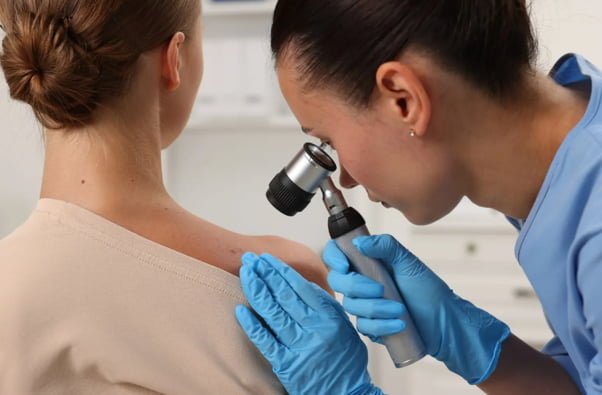
- Doing full body skin examination through visual check and also dermoscopy
- Watching existing moles closely if there is any change in size, shape or colour
- Doing biopsies so it can be confirmed or ruled out that cancer is there
- Suggesting or doing the removal of cancerous tissue, either through surgery or without it
- Giving advice about sun protection and how skin cancer can be prevented
Since their training is more than what a general doctor gets, many times they are able to catch small warning signs which other people may miss easily.
Why Early Detection Matters So Much
When not treated on time, skin cancer, mainly melanoma, has tendency to spread fast. If it gets detected early, most skin cancers respond good to treatment and in many cases only small procedure is enough. But when detection gets delayed, treatment becomes more invasive and chance of survival can also become lower. Because regular skin checks help in catching the changes while they are still small, medical guidelines keep recommending routine screening, especially for people who are at higher risk.
How Often Should Skin Checks Be Done?
How often a person needs to check depends mostly on their own risk factors, like what type of skin they have, family history, how much sun exposure they get, and how many moles are already there. Generally speaking:
- People having fair skin, many moles, or family history of skin cancer, they are usually told to go for check every year
- People who already had skin cancer before may need check every three to six months
- People with less risk factors, they might need check only once in one or two years
For working out schedule that suits a person properly, getting a proper professional assessment is usually the better way.
What Happens During a Skin Cancer Check?
In a normal appointment, whole body gets examined visually and also with dermoscopy, including those parts of skin which do not get much sun normally, because skin cancer is not something that only happens on sun exposed area. Mostly this process does not take much time and there is no pain involved. If any suspicious spot gets found, small piece of tissue is usually taken and sent for lab testing. Depending on what this biopsy result shows, it becomes clear if more treatment is needed, and which type would be right for that case.
Which Warning Signs Should Never Be Ignored?
Instead of waiting for the next scheduled visit, some changes on skin should be checked without any delay. Few of these are:
- Mole that starts to change in shape, size or colour
- Spot having edges that look irregular or blurred
- Sore that does not heal even after few weeks pass
- New growth that comes suddenly and grows fast
- Itching, bleeding or crusting that starts on mole or on patch of skin
To help remember these signs, ABCDE rule is used commonly, which stands for Asymmetry, Border irregularity, Colour variation, Diameter and Evolving.
Is Skin Cancer Screening Only Necessary for Older Adults?
Even though risk of skin cancer goes up with age because sun exposure keeps adding over years, this is not condition that only happens to older people. Younger people also, if they had frequent sunburns, used tanning bed, or have fair skin, they still carry real risk, so age alone should not be reason to skip screening. Building good prevention habit early, sun protection being one of main habits, helps a lot in keeping risk lower later in life.
Final Thoughts
Skin health is not something that should be kept aside or ignored, and this is exactly where a skin cancer specialist becomes important. From spotting early warning signs to guiding right treatment, these professionals bring together medical knowledge with a careful, step by step way of examining skin. Whether it is just routine yearly check or follow up on something that looks concerning, getting attention on time from a skin specialist can really make difference to health in long run.