Sudden illnesses and unexpected injuries can happen at any time, often when least expected. These situations can be stressful, especially when it is unclear where to go for quick and reliable medical help. This is where urgent care services play an important role. They provide fast and accessible medical attention for conditions that are not life-threatening but still require immediate care. Instead of waiting for long hours at a hospital emergency room or delaying treatment, patients can visit urgent care centers and receive timely support. This helps people recover faster and reduces the risk of complications.
Understanding the Role of Urgent Care Services
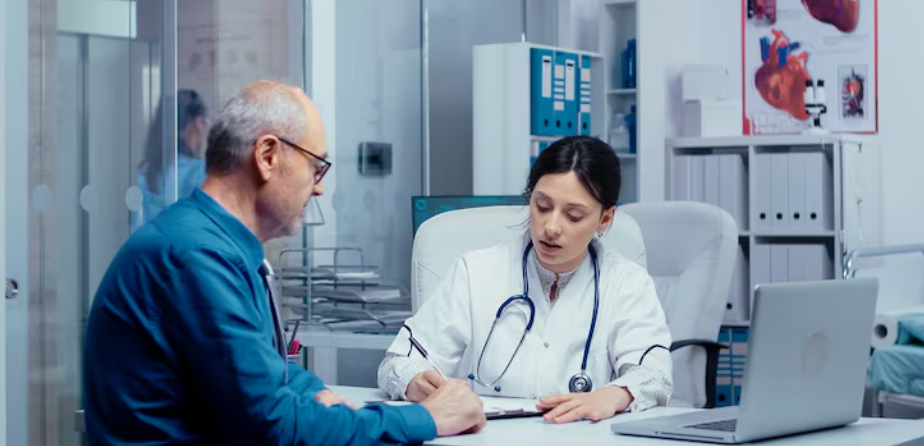
Urgent care services are designed to handle medical problems that need attention soon but are not severe enough for emergency room care. These centers are usually open beyond regular clinic hours, making them available during evenings and weekends. They bridge the gap between primary care doctors and emergency departments. When a patient has sudden symptoms such as fever, mild infections, or small cuts, urgent care services provide quick diagnosis and treatment. This makes healthcare more flexible and accessible for people with busy schedules or limited access to regular medical appointments.
Quick Treatment for Sudden Illnesses
One of the main advantages of urgent care services is the fast treatment of sudden illnesses. Conditions like flu, cold, sore throat, ear infections, and stomach issues can appear quickly and make daily life difficult. Instead of waiting for a doctor’s appointment that may take days, patients can visit urgent care centers and get treated the same day. Medical professionals at these centers can perform basic tests, diagnose the issue, and prescribe necessary medications. This quick response helps patients feel better sooner and prevents the illness from getting worse.
Immediate Care for Minor Injuries
Accidents can happen at home, work, or outdoors, and not all injuries require emergency room treatment. Small cuts, sprains, burns, and minor fractures are common examples of injuries that can be handled effectively at urgent care centers. These facilities are equipped with basic medical tools such as X-ray machines, bandaging supplies, and wound care equipment. Healthcare providers can clean wounds, apply stitches if needed, and offer pain relief. This immediate attention ensures that injuries are treated properly and heal without unnecessary delays or complications.
A Convenient Alternative to Emergency Rooms
Emergency rooms are essential for life-threatening conditions, but they are often crowded and involve long waiting times for non-critical cases. Urgent care services offer a more convenient alternative for patients who need quick medical attention but are not in a severe condition. They reduce the pressure on hospitals and allow emergency departments to focus on critical patients. For individuals, this means shorter waiting times, lower costs, and faster service. This convenience makes urgent care a practical choice for many families.
Reducing Stress for Patients and Families
Medical emergencies, even minor ones, can create stress and confusion for patients and their families. Knowing where to go and what to do can be overwhelming. Urgent care services help reduce this stress by providing a clear and simple option for immediate care. Patients do not need appointments, and they can walk in when needed. The friendly and efficient environment of these centers also helps people feel more comfortable. This support system makes it easier for families to handle unexpected health problems calmly and effectively.
Conclusion
Urgent care services have become an important part of modern healthcare by offering fast and reliable treatment for sudden illnesses and minor injuries. They provide a practical solution for people who need immediate attention without the long wait times of hospitals. By bridging the gap between emergency rooms and regular clinics, these services ensure that patients receive timely care when they need it most. Overall, urgent care services make healthcare more accessible, efficient, and less stressful for individuals and families alike.