
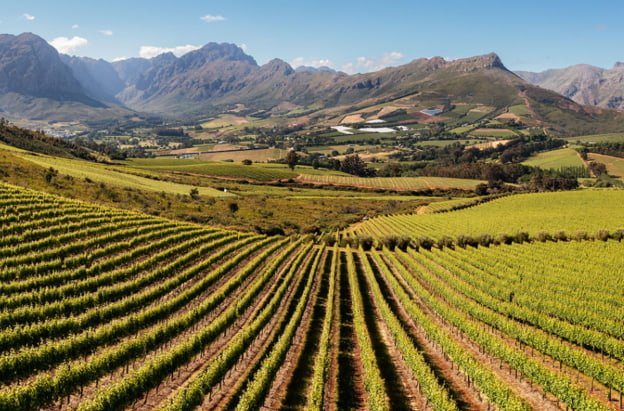
The majority of wine visitors come anticipating picturesque cellar doors and flawless vineyards. Yes, they do receive such things. They frequently fail to notice the real tension that exists beneath the surface younger winemakers irritated by marketing departments that prioritize accessibility over complexity, older family operations subtly opposing corporate buyouts, and climate shifts forcing difficult choices about varieties that have flourished for generations. Stellenbosch Vineyards are not the sanitized form promoted by the tourist bureau; rather, they live in this complex reality. Although the area seems enchanted, it faces actual difficulties that influence each bottle made.
The Climate Complexity Nobody Mentions
Indeed, the climate of the Mediterranean seems perfect. The real world turns out to be messier. Warming trends have changed what grows well, making winemakers make difficult judgements. Some classic vineyards that were planted decades ago now provide wines that aren’t as fresh as they should be. In private, winemakers are nervous about this, but they keep quiet about it in public. Formerly dangerous varietals for cooler climates now appear essential. During heat waves, the ocean’s moderating function sometimes fails. These are real issues endangering livelihoods, not romantic obstacles. Estates lose years of established productivity when they spend millions on replanting.
The Inheritance Problem
Family vineyards pass through generations expecting smooth transitions. Often they don’t. Younger family members want different directions than parents held. Some want organic practices parents resisted. Others want experimental winemaking, whilst parents prefer conventional approaches. Some want to sell to international conglomerates. Disagreements fester beneath polite family dinners. Estates that looked harmonious for decades suddenly split or closed. Stellenbosch families managing these transitions rarely discuss tensions publicly, maintaining appearances whilst fighting privately about futures.
Marketing Versus Reality
Premium pricing depends partly on perception built through marketing. Tourists arrive expecting that a premium reflects a proportional quality improvement. Sometimes it does. Often it simply reflects successful branding. A wine costing triple another doesn’t always taste objectively superior it tastes different, sometimes better, sometimes worse, depending on palate preferences. Marketing departments know this secretly. They build narratives around stories, heritage, and scarcity rather than purely on sensory superiority. Some premium wines genuinely deserve their position. Others rely heavily on storytelling that wealthy buyers find compelling. The gap between marketing narratives and actual tasting experiences creates awkward moments for truthful people working in wine.
The Labour Reality
Vineyards require constant physical work. Harvest seasons demand gruelling hours in intense conditions. Yet tourism marketing focuses on romance rather than labour realities. Workers sustain operations through repetitive, often under-compensated work. Conversations about fair wages remain uncomfortable. Estates battling labour shortages sometimes compromise on quality through rushing, something tourists never realise when they taste rushed harvests masked by confident sommelier descriptions. The picturesque vines tourists photograph represent thousands of hours of exhausting physical labour.
Quality Consistency Myths
Single estates produce wildly varying quality across vintages and even individual vineyard blocks. Weather variations, harvest timing decisions, equipment breakdowns countless factors affect outcomes. Yet marketing presents estates as consistently excellent. Veteran wine drinkers know this truth. New enthusiasts expect consistency that doesn’t genuinely exist. Some recent harvests from prestigious estates disappointed experienced tasters. Marketing departments rarely acknowledge this openly.
The Consolidation Trend
Smaller family operations increasingly sell to larger corporations. These buyers promise investment and growth. They often deliver standardised production processes that simplify operations yet remove distinctive character. The resulting wines become more commercially successful whilst losing uniqueness that initially defined estates. This trend saddens longtime wine professionals who remember when individual expression mattered more than market penetration. Visitors rarely notice these shifts since consolidated estates maintain similar aesthetics and marketing.
The Export Pressure Problem
International markets pay premium prices for Stellenbosch wines, creating genuine financial temptation. Estates earning significantly from exports sometimes shift focus away from domestic markets and local appreciation. Production scales up chasing export volumes. Quality occasionally suffers when volume becomes priority. Local wine enthusiasts notice these shifts. They comment quietly about wines becoming “international” rather than distinctive. Winemakers face genuine tension between sustainable small-scale operation and financial security through export scaling. Some resist scaling despite financial pressure. Others reluctantly accept that export revenue ensures survival. This decision shapes everything vineyard practices, harvest timing, production methods yet remains mostly invisible to casual visitors enjoying tastings.
Conclusion
Stellenbosch Vineyards represent something genuinely special yet more complicated than tourism brochures suggest. Climate challenges force constant adaptation. Family conflicts shape business decisions silently. Marketing crafts narratives exceeding actual quality variations. Labour realities remain hidden behind romantic imagery. Consolidation threatens distinctive character. Understanding these complexities deepens genuine appreciation. Visitors who glimpse beyond polished surfaces discover the real region flawed, fascinating, and struggling yet committed to excellence despite genuine obstacles.