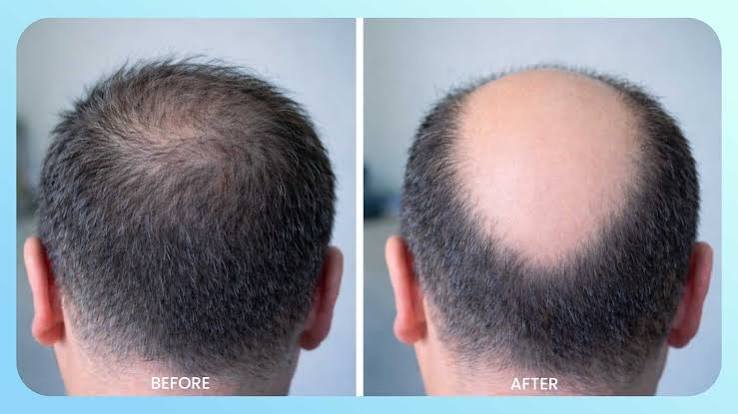
Hair transplant is a common cosmetic surgery these days. Because hair loss is a major concern, even among younger generations, the need for it has grown. It is essentially a cosmetic procedure that promotes hair growth from the scalp to treat bald spots or thinning hair. This surgical method, most commonly used to treat pattern baldness, can be relied upon by those with hair loss or thinning caused by illness or other diseases. If you have these issues, a Hair Transplant in Guwahati could give you the desired hair texture and regeneration, and the cost would be worthwhile.
Various Techniques for Hair Transplantation
Now that we understand what hair transplantation is, let’s look at its techniques:
Transplantation of Follicular Units (FUT):
FUT hair transplant is another name for FUT. A strip of scalp, including hair, is surgically removed during this medical operation, typically from the back or sides of the head. The intended transplant site is treated with it. The strip is then divided into individual follicular units and applied to the area where hair loss has been seen.
Excision of follicular units (FUE):
Follicular unit excision (FUE), a type of hair transplant, involves removing individual follicular units, which are naturally occurring clusters of hairs with one to four hairs each, from the beard, various body parts, and the back of the head. Typically, they are retransplanted into balding scalp regions. In FUE, these follicular units are harvested using tiny punches that range in size from 0.7 to 1.2 mm. There are three types of micro-punches: robotic, motorized, and manual.
- Manual FUE: A physician extracts individual hair follicles using portable instruments. Although more effort and skill are needed, this approach is more flexible.
- Robotic FUE: Under a doctor’s supervision, robotic equipment is used to remove and replace hair follicles.
- Motorized FUE: During a hair transplant procedure, the punch is rotated by a portable motor called the Motorized FUE Device. A foot paddle and a speed-control panel are typically used to operate the motor. Its range is between 1000 and 2000 RPM.
Hair Transplant Recovery Period and Stages
After your hair transplant procedure is completed and you leave our hospital, you will continue to have access to our extensive post-hair transplant aftercare program and expert assistance whenever you need it. It may take two to three months beyond this point for your new follicles to properly develop and start growing new hair on their own. You will quickly regain the youthful head of hair you deserve, even if your new hair growth may initially be harsh and uneven. By about ten months following their operation, the majority of patients have full natural hair growth.
Please be aware that each patient’s outcome and recuperation period are unique. It is not a sign that the surgery was ineffective or that your results won’t be as good if your hair regrowth is taking longer.
Three Months Following a Hair Transplant
The first three months after a hair transplant are, by all accounts, the most difficult. However, there is also good news. We will examine the recipient and donor areas independently to provide an example.
Development in the Recipient Region
Your freshly transplanted hair in the recipient area or areas will start to fall out about four to five days after the procedure. We recognize that this may be frightening; if you are a patient of Hair Doctor, you will have anticipated this.
Our hair grows in cycles that alternate. The hair shafts fall out and go into a latent phase (also known as “shock loss”) as a result of transplantation. The implanted follicles are not lost as a result of this. Once the dormant stage is over, they will resume production because they are safely entrenched in the scalp.
The follicles go into what is known as the telogen resting phase after the hair has been shed. It takes two to two and a half months. Please be aware that not all hair rests and falls out at the same time. Your recipient region may appear spotty for extended periods of time because this is a procedure that takes time.
Expansion in the Donor Region
The good news is that there is no shock loss following the transplant, so the hair in the donor location starts to grow right away. This implies that in around a week, new growth will cover the donor area, which had to be shaved for easy access during the process.
By the way, some patients are worried about the donor area’s thickness.
Three to Six Months Following a Hair Transplant
New hair will start to develop around the start of the fourth month following your hair transplant (also known as the slow-growth stage). Now is the moment to start looking forward to your procedure.
9-12 Months After Hair Transplant
Your hair will continue to thicken through this phase.
This is also an exciting time to think about styling your hair. We advise our patients to refrain from having their transplanted hair buzzed during the first year following their transplant. But scissor haircuts are totally okay, starting at about 1 month after the transplant.
In the first year after a transplant, we encourage our patients not to have their hair buzzed. However, starting around one month following the transplant, scissor haircuts are completely OK.
Note: As soon as seven to ten days following the transplant, you are free to style or buzz the donor region. Before moving forward, just make sure that all scabs have healed and dropped off. We consider your hair transplant recovery to be finished after a year, and we usually arrange an in-office follow-up consultation to assess the outcome.
Best Practices for a Successful Hair Transplant Recovery Process
- Downtime Is Crucial: Prioritize making sure you have enough downtime. You should not do anything during the first twenty-four hours, since they are really important. After the first day or so, you can resume some of your usual activities, although your doctor will probably suggest that you limit your more strenuous activities for a little bit longer.
- Avoid intense activity and exercise: Although the first 72 hours after a hair transplant procedure are the most important, you will need to relax for a bit. Most doctors advise against physical exertion or other strenuous work for around two weeks after a hair transplant.
- Don’t Wash Up Just Yet: You must not wash your hair for the first 72 hours after the hair transplant procedure. This gives your scalp time to recuperate. Once that time has elapsed, you can gently wash your hair. But do not apply the shampoo directly to your head. Pour a few drops of shampoo into a cup of water, shake to make a lather, then apply the mixture to your scalp and rinse with fresh water.
- Nicotine and Alcohol: Since alcohol thins the blood, it’s important to avoid it for the first five days or so after therapy. Because nicotine lowers blood flow and affects blood pressure, you must abstain from smoking for approximately four weeks prior to and following the treatment.
Plan your transplant as soon as possible
If you’re also searching for a trustworthy hair transplant, hair transplantation produces natural-looking results when performed by professionals using state-of-the-art techniques like FUE or FUT. With this procedure, you would surely be able to achieve your ideal appearance and get relief from your hair loss problems. Take action and observe the results. Understand the Hair Transplant Recovery timeline and aftercare for the best treatment and recuperation.