People have been talking about solar power for decades, but most of that conversation has stayed shallow rooftop hardware, sunny climates, saving the planet in broad strokes that nobody really argues with. The reality is more layered, and frankly more interesting. Solar energy panels are not just an energy alternative. They are rearranging the relationship between ordinary people and the systems that have always controlled their power supply.
Power Has Always Been Centralized Until Now
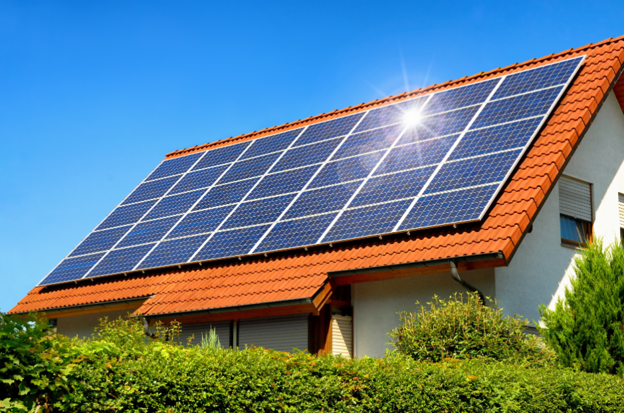
Think about how electricity has worked for most of modern history. Generated far away, transmitted across vast distances, delivered to whoever sat at the end of the line with no input, no alternatives, no leverage. The person paying the bill had nothing to say about where power came from or what it truly cost. Solar changes that at its root. A household with panels on the roof is no longer just a customer it becomes a participant. When surplus electricity feeds back into the grid, that building stops being a passive consumer and starts playing an active role in the local energy economy. That is a structural shift, and it has been building quietly for years.
The Hidden Cost Nobody Talks About
The cost of maintaining traditional electrical infrastructure is high, and most people are unaware of how that money is spent. Whether recognised or not, these expenses are absorbed somewhere along the chain and include things like emergency repair after storms, aged transmission lines, and grid improvements. A large portion of this issue is avoided with solar energy panels deployed right at the point of usage. Because electricity generated on a rooftop and used inside the same building never passes via transmission lines, it avoids transmission losses and lessens reliance on uncontrollable infrastructure. That localised stability is more valuable than most people realise for a firm when a power outage immediately results in lost income.
The Climate Argument Is More Nuanced Than It Sounds
Solar only works in sunny places that idea has stuck around longer than it deserves. Germany built one of the most significant solar industries in the world, and it did so in a country where grey skies are hardly a rarity. The reason is simple enough: panels generate electricity from light, not from heat. A hot, cloudless day does not always outperform a cool overcast one by as much as people assume. Very high temperatures can actually drag down panel efficiency, which means some moderate climates perform better than regions that look more obviously solar-friendly on a map. That surprises most people, and it should it removes one of the most repeated excuses for not taking the technology seriously.
What Solar Actually Does for Communities
When solar energy panels reach communities historically underserved by grid infrastructure, the effects are not abstract. Rural clinics that could not reliably refrigerate medicines gain something immediate. Farmers dependent on diesel generators for irrigation get a more stable alternative. Students who could not read after dark suddenly have the option. These are not side effects of a broader environmental agenda. They are direct changes to what daily life looks like, arriving faster and more durably than top-down infrastructure projects that have been promised and delayed for generations.
The Lifespan Question
Solar panels outlast most things people buy without a second thought. A well-installed system keeps producing electricity long after the original decision to install it has been forgotten. Over that span, it generates power without any supplier who can raise prices mid-contract or quietly go out of business. That kind of stability is unusual. Most energy arrangements expose the buyer to forces entirely outside their control. Solar, once installed, largely removes that exposure — and the longer the system runs, the more that independence compounds.
Conclusion
Solar energy panels tend to get discussed as though the interesting part is the hardware. It rarely is. The more compelling story is what happens when communities and individuals stop being passive recipients of energy and start having a genuine stake in how it is produced and distributed. That shift is already underway in ways that do not make headlines but it is real, it is lasting, and it matters well beyond the electricity meter.