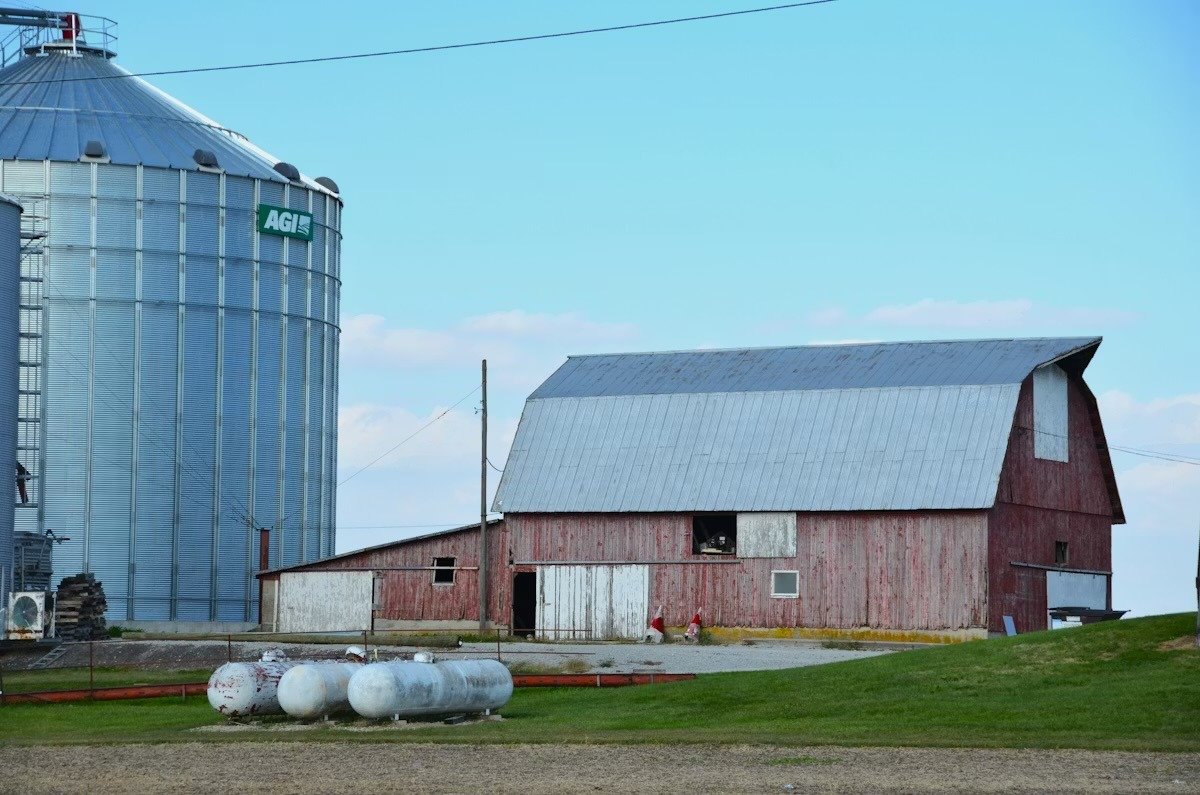
Agricultural storage facilities play a vital role in protecting crops, equipment, and supplies from environmental damage. The quality of cladding used in these structures directly impacts their durability, insulation, and overall efficiency. Poor cladding can lead to moisture buildup, temperature fluctuations, and structural deterioration, all of which can negatively affect stored goods. Upgrading or improving your facility’s cladding is a smart investment that enhances both functionality and longevity.
By choosing the right materials and following best practices, you can ensure your agricultural storage facility remains secure and efficient throughout the year. Here are five useful tips to improve cladding in your agricultural storage facility.
1. Work With A Professional Insulated Metal Panel Installer
One of the most effective ways to improve cladding is by hiring a qualified insulated metal panel installer. These professionals have the expertise to properly fit panels that provide both structural strength and thermal insulation.
Insulated metal panels are widely used in agricultural facilities because they help regulate internal temperatures and protect stored goods from extreme weather conditions. A professional installer ensures that panels are securely placed, sealed correctly, and aligned for maximum efficiency, reducing the risk of air leaks and moisture infiltration.
2. Choose Durable And Weather-Resistant Materials
Agricultural buildings are constantly exposed to harsh weather conditions such as heavy rain, strong winds, and intense sunlight. Selecting high-quality, weather-resistant cladding materials is essential for long-term performance.
Materials such as metal panels, fibre cement boards, or treated wood can offer strong protection against environmental wear and tear. Investing in durable materials reduces maintenance needs and ensures the structure remains reliable over time.
3. Improve Insulation For Temperature Control
Proper insulation is crucial for maintaining stable conditions inside an agricultural storage facility. Poor insulation can lead to temperature fluctuations that may damage crops, seeds, or equipment.
Upgrading cladding with insulated panels or adding additional insulation layers can help regulate indoor temperatures more effectively. This is especially important for facilities storing temperature-sensitive products such as grains, fruits, or dairy-related items.
4. Ensure Proper Ventilation Integration
While insulation is important, ventilation should not be overlooked. Good airflow helps prevent moisture buildup, which can lead to mould growth and structural damage. When improving cladding, it is important to incorporate ventilation systems such as vents or air gaps that allow fresh air to circulate.
Balancing insulation with proper ventilation ensures that the facility remains dry, safe, and suitable for storage purposes.
5. Perform Regular Maintenance And Inspections
Even the best cladding materials require regular maintenance to remain effective. Over time, small issues such as cracks, loose panels, or worn seals can develop. Conducting routine inspections allows you to identify and fix these problems before they become serious.
Cleaning the cladding, repairing damaged sections, and resealing joints can help extend the life of the structure and maintain its protective qualities.
Bottom Line
Improving the cladding of your agricultural storage facility is essential for protecting valuable resources and ensuring efficient operation. By working with a professional insulated panel installation, choosing durable materials, enhancing insulation, integrating proper ventilation, and maintaining the structure regularly, you can significantly improve the performance and lifespan of your facility. These practical steps not only safeguard your investments but also contribute to better productivity and long-term sustainability in agricultural operations.