
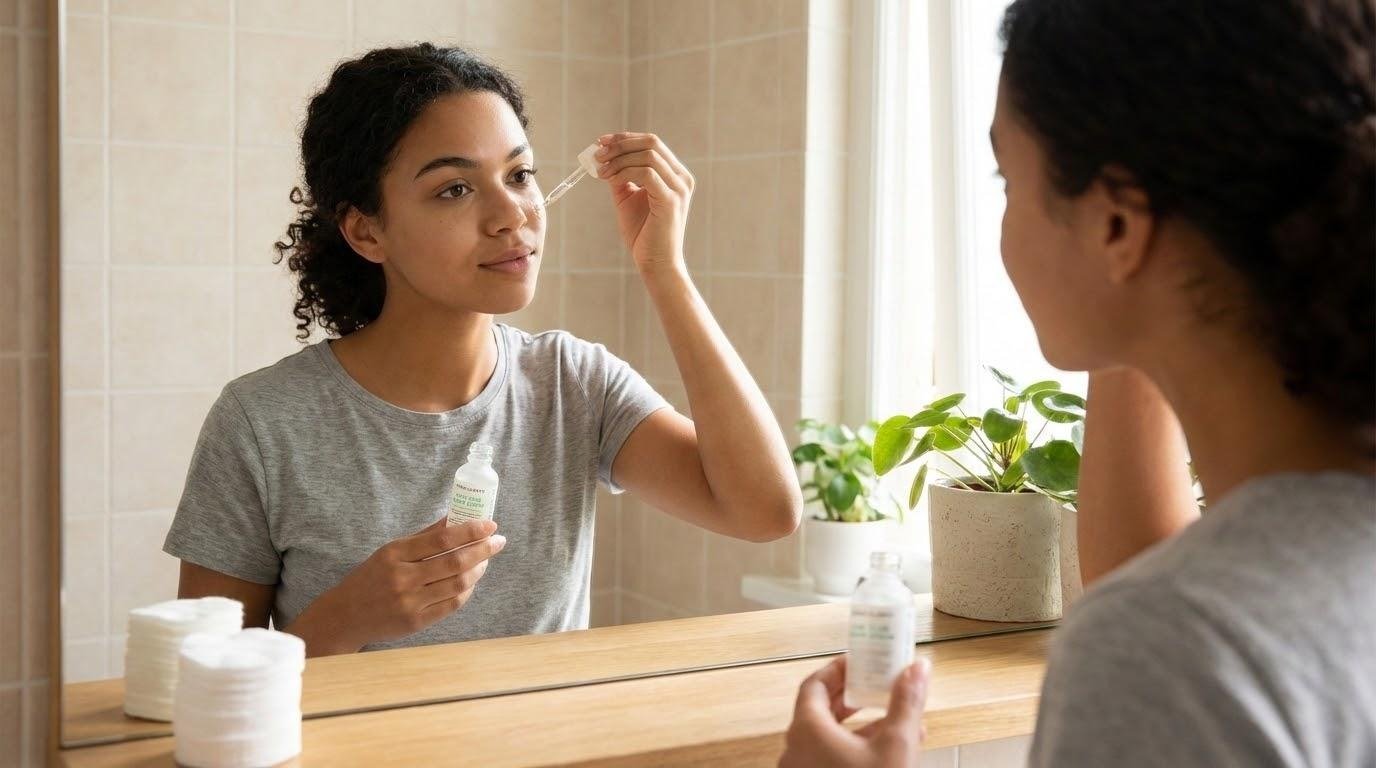
Acne scars are an issue not only for you but for almost everyone in the world. In the world of skincare, it is essential to consider your skin type and concerns when choosing the right product. If acne scars are your main issue, then choose the right product for it, especially consider choosing an effective serum.
Face serums have quickly become popular for achieving a radiant, youthful complexion. Their lightweight texture and potent formulas have made it possible to penetrate deeper into the skin. Delivering concentrated active ingredients. A face serum can prove noticeable results, so let us see its benefits for your face and how it helps with acne scars.
What are Face Serums?
A face serum is a lightweight, fast-absorbing skincare liquid formulated with high concentrations of active ingredients, like hyaluronic acid, Vitamin C, or retinol, designed to penetrate deeply into the skin. Unlike moisturisers, they target specific concerns, such as wrinkles, acne, hydration, or dullness, with superior potency.
What are Acne Scars?
These scars are formed when inflammatory acne damages the skin’s deeper layers, disrupting normal collagen production during the healing process. Unlike temporary post-inflammatory marks that fade over time, these true acne scars involve permanent changes to skin texture and affect the overall appearance of the face.
Here are different types of acne scars:
- Atrophic scars
- Hypertrophic and Keloid scars
- Post-inflammatory changes
Can Serums Help with Acne Scars?
The effectiveness of serums to improve acne scars depends on the scar type and severity. These may help with superficial texture irregularities and post-inflammatory discolouration through ingredients that support skin cell turnover and collagen synthesis.
Deeper structural scars typically require professional interventions like laser treatments, microneedling or subcision for meaningful improvement.
Understanding these distinctions helps set realistic expectations when considering serum-based approaches as part of a comprehensive skin care strategy.
Acne Scar Serums: Key Ingredients
Some ingredients are beneficial to the skin, but one needs to do a patch test first so that the skin can be better understood and ingredients can be chosen accordingly. Here are some ingredients that one needs in serums for acne scars:
- Vitamin C
Vitamin C (L-Ascorbic Acid) functions as an antioxidant and cofactor in collagen synthesis. Some formulations may help reduce post-inflammatory hyperpigmentation by interfering with melanin production.
Vitamin C in stable formulations can help support skin brightening, though results may vary among individuals. For optimal stability, you need to look for concentrations between 10 to 20% in formulations with a pH below 3.5.
- Retinoids
Retinoids, including prescription tretinoin and over-the-counter retinol, help promote cellular turnover while stimulating collagen production over time. Use of retinoids for long-term can improve skin texture and reduce the appearance of superficial scarring, though the degree of improvement differs among users.
- Niacinamide
It offers multiple skin benefits. It supports the skin barrier, reduces inflammation and potentially helps to fade post-inflammatory hyperpigmentation. Some studies examined concentrations of 2-5% for various skin concerns. This is generally well-tolerated and suitable for sensitive skin types.
- Alpha Hydroxy Acids (AHA)
AHAs such as glycolic acid and lactic acid work by promoting exfoliation of the outermost skin layer. This may improve surface texture and tone over time. Glycolic acid, with its small molecular size, can penetrate effectively. Formulations typically range from 5 to 10% for at-home use, while professional treatments may use higher concentrations.
- Hyaluronic Acid
It does not directly modify scar structure; it provides hydration by attracting moisture to the skin. Well-hydrated skin may appear plumper and smoother, potentially making the scars less noticeable. This is suitable for all skin types and can be used alongside other active ingredients.
Let us see the other benefits of using serums for skincare.
Serums: Benefits Beyond Acne Scars
Serums are not only effective for acne scars, but:
- Vitamin C serums are a powerful antioxidant that brightens dull skin, reduces pigmentation, and enhances collagen production to combat fine lines and wrinkles.
- Salicylic acid serum is ideal for oily and combination skin. This beta hydroxy acid (BHA) dives deep into pores to control oil and treat whiteheads/blackheads.
- Retinol serum accelerates skin cell turnover to smooth uneven skin texture, reduce large pores, and target signs of ageing.
- Niacinamide serums help reduce skin irritation, control excess sebum, and assist in fading stubborn dark spots and pigment changes.
Serum for Acne Scars or serums for other skin concerns demand your attention when you find the need. But we must ensure that the patch test is a reliable method to know if the product and the ingredients in it are good for you.